

Basic Characteristics of TPU Film
Thermoplastic Polyurethane Film is a mature environmentally friendly material. It possesses characteristics such as high tension, high tensile strength, toughness, and anti-aging properties. Additionally, it has advantages that other plastic materials cannot match, including high strength, good toughness, wear resistance, cold resistance, oil resistance, water resistance, and weather resistance. At the same time, it features excellent functions like high waterproof and moisture-permeable performance, windproof, cold-proof, antibacterial, mildew-proof, warmth retention, UV resistance, and energy release. Currently, it has been widely used in fields such as medical and health care, and sports.
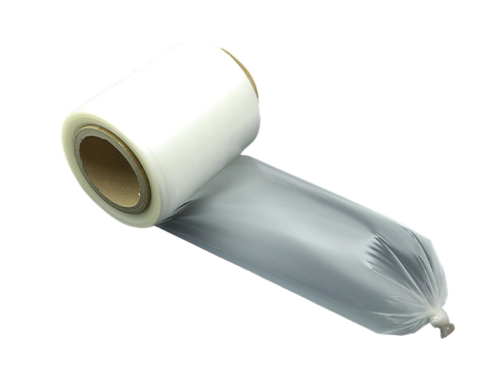
Performance Description of TPU Polyurethane Film
Wear Resistance: During use, materials often suffer from surface wear due to friction, scraping, and grinding. TPU plastic raw material has excellent wear resistance, being more than five times more wear-resistant than natural rubber. It is one of the preferred materials for wear-resistant products.
Tensile Performance: The tensile strength can reach up to 70MPa, and the elongation at break can be as high as 1000%.
Tear Performance: The damage of elastomers caused by the expansion of cracks during application is called tearing, and tear strength refers to the ability of a material to resist tearing. Generally, TPU has high tear resistance, and its tear strength is very excellent compared with some commonly used rubber and plastic materials.
Flexure Performance: Many plastic materials are prone to fracture under repeated cyclic stress. TPU products can maintain excellent flexure resistance under different environments, making them one of the best choices among polymer materials.
Hydrolysis Resistance: TPU materials have good water resistance at room temperature and will not undergo obvious hydrolysis within one to two years, with the polyether series performing even better. The polyester series will completely decompose when soaked in water at 50°C for half a year, at 70°C for three weeks, or at 100°C for three to four days. This is one of the reasons why TPU is suitable as an environmentally friendly material. For products that need to be in contact with water frequently, the polyether series is recommended.
High-Temperature Resistance and Oxidation Resistance: Ordinary plastic raw materials are prone to oxidation when in an environment above 70°C for a long time, but TPU has good oxidation resistance. Generally, the temperature resistance of TPU can reach 120°C.
Oil Resistance and Chemical Resistance: TPU is a high-polarity polymer material with low affinity for non-polar mineral oils. It is hardly corroded in fuel oils (such as kerosene and gasoline) and mechanical oils (such as hydraulic oil, engine oil, and lubricating oil). Among TPU products, the polyester series has better oil resistance. TPU films and sheets have minimal volume change when in contact with oil, and their tensile strength is even higher than the initial value. It should be noted that if mineral oil contains a small amount of water, it will have varying degrees of negative impact on the physical properties of the film.
Low-Temperature Resistance: TPU has excellent low-temperature resistance, usually reaching -50°C. It can replace ordinary PVC, which cannot be used due to brittleness at low temperatures, and is particularly suitable for products for cold regions.
Air Tightness: TPU ultra-thin film sleeves are easy to weld using high-frequency or heat pressing, so they are widely used in inflatable products. The gas coefficient refers to the rate at which gas passes through a specified area of the sample under a certain temperature and pressure. The gas permeability of the same material to different gases sometimes varies greatly. Generally speaking, the air tightness of polyester series products is better than that of polyether series products.
Biomedical Performance: TPU tube film sleeves have excellent biocompatibility, being non-toxic, non-allergenic, non-irritating to local tissues, and non-pyrogenic. Therefore, they are widely used in medical and health-related products, as well as sports and protective equipment.
Application Fields of TPU Ultra-Thin Film
TPU ultra-thin film sleeves have been widely used in rehabilitation pillow cores, inflatable toys, water and underwater sports equipment, medical equipment, fitness equipment, automobile seat materials, umbrellas, suitcases, ready-made clothes, shoe materials, and handbags.
TPU film is also widely used in sports shoes, including trademark decorations on shoe soles and uppers, airbags, air cushions, and oil packs. Nowadays, there are two trends in the application of TPU film in sports shoes:
First, influenced by the trend set by Nike sports shoes, TPU film is first screen-printed with colors, then formed by high-frequency and bonded to the shoe upper for decoration, so as to achieve a special decorative effect.
Second, the waterproof and moisture-permeable TPU film is laminated with shoe fabric to achieve waterproof and moisture-permeable effects.