Automotive wiring harnesses are the core network of automotive circuits, undertaking the key role of connecting all electrical and electronic components of the vehicle and transmitting electrical signals. Without wiring harnesses, the automotive electronic control system cannot operate normally.
Whether for high-end luxury vehicles or economical ordinary vehicles, the structure of wiring harnesses is basically the same. They are all assembled by winding wires, related plugs and adhesive tapes. They not only ensure stable electrical signal transmission and reliable circuit connection, provide rated current for electrical components, but also resist electromagnetic interference around the circuits and avoid short-circuit faults.
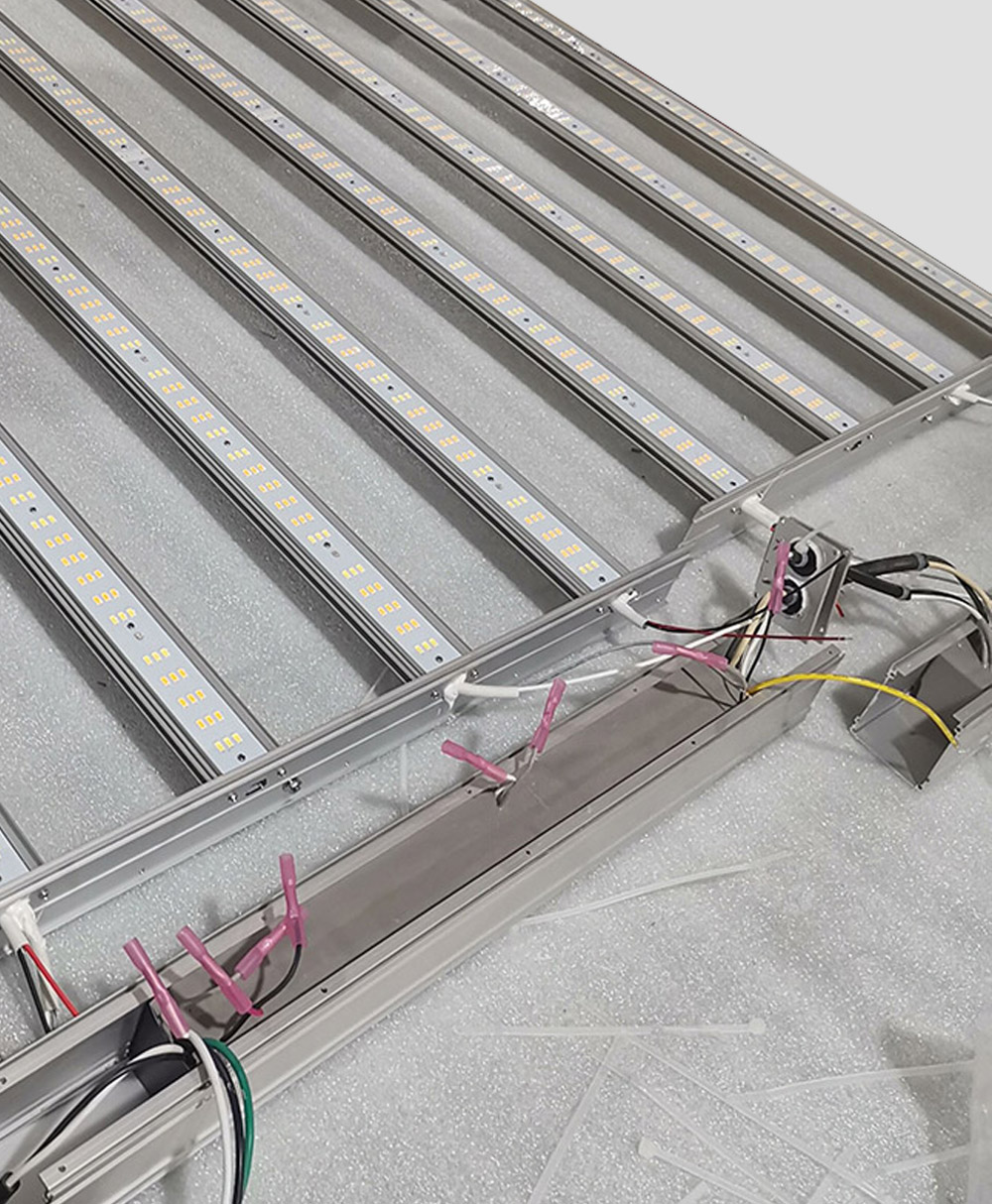
In the assembly of automotive wiring harnesses, butt connectors are the core components for wire connection, which directly determine the connection reliability and durability of the wiring harnesses. Common types of butt connectors and supporting processes include various categories. For example, Heat Shrink Butt Connectors can achieve insulation, sealing and protection effects simultaneously when the outer heat shrink tube shrinks upon heating after the wires are crimped. Crimp Connectors fix the wires through crimping with special tools, featuring convenient operation and firm connection. Heat Shrink Crimp process combines the stability of crimping and the sealing performance of heat shrinking, which can greatly improve the vibration and corrosion resistance of the connection part.
The wires in automotive wiring harnesses are divided into two core types: one is the power wire carrying power for component actuators, which mostly adopts thick wires to transmit large current; the other is the signal wire carrying input command signals for sensors. The cross-sectional area of the wires should be selected according to actual needs. For example, the wires of signal circuits usually adopt a specification of 0.3–5mm². The selection of wires must not only meet the requirements of electrical characteristics, but also adapt to the physical characteristics of the vehicle-mounted environment to ensure stable operation under complex working conditions.